
Protecting Your Creative Work in a Digital Age
When I started doing more commercial work (especially interior design photography) I began to realize just how important it is to protect your creative work. That awareness really deepened when I joined a women-led community of interior design photographers. It was there that I truly learned about image usage, copyright, and licensing, and honestly, I also realized how little I knew about it at the time. That motivated me to dig in, learn everything I could, and start practicing how to explain these concepts clearly to my clients.
When My Work Was Used Without Permission
It happens more often than you might think, especially in the digital age where images move so quickly across social media. In the beginning, it was frustrating, it’s hard not to feel protective of something you’ve poured your creativity and energy into. But over time, I learned to take a step back, breathe, and approach the situation with professionalism instead of emotion.
Most of the time, the person using the image without permission doesn’t even realize they’re doing anything wrong. We live in a time when everyone has a camera in their pocket, and the lines between personal sharing and professional ownership can get really blurry. So instead of reacting defensively, I try to see it as an opportunity to educate, to explain the value of creative work and what it means to respect it. Nine times out of ten, people are so gracious and happy to either remove the image or pay a licensing fee once they understand.
That experience taught me a lot about boundaries and self-worth as a creative. My work doesn’t just exist to be seen; it’s a reflection of my time, skill, and artistic voice. Setting those boundaries and communicating them clearly has become an essential part of my business, not only to protect my work, but to help others understand the importance of respecting creative ownership.
What Protection Looks Like for Me
📌 For me, protection starts with a solid contract. I make sure it clearly outlines image usage and the agreement between my client and me, and I place it as one of the very first points in the contract so it doesn’t get overlooked.
📌 I also take time to walk my clients through my standard licensing and usage terms and encourage them to ask questions. Getting ahead of those conversations is the best way to ensure everyone’s on the same page. My clients often tell me they appreciate that I take the time to help them understand how their images can be used.
📌 I also created an FAQ page on my website that walks through all of these topics in more detail and share it with every client.
📌 On a more official level, I register my images annually with the U.S. Copyright Office. It’s not required, as the creator, you automatically own the copyright, but having that registration can be really helpful if any legal issues ever come up. Plus, it just feels good to have that extra layer of protection.
Sharing My Work Safely
Sharing my work is what it’s all about! I want people to see it and share it, just responsibly and sustainably. Registering my work helps with that, and I usually batch-register my images once a year.
When I export photos, I always include metadata, it’s a small but powerful step that digitally marks my images as mine. I also use a platform called Pixsy, which scans the internet for unauthorized use of my work and can help manage the legal side of things if needed.
My Advice for New Photographers
If you’re a new photographer or creative, here’s what I wish I’d known: it’s not a matter of if someone will use your image without permission, it’s when.
Educate yourself on image licensing. There are so many great resources and videos online. Talk to other photographers. Make sure your contracts include clear usage terms, and ideally have a lawyer review them.
If someone uses your image without permission, try to give them the benefit of the doubt. Most people just don’t know better, and that’s okay. Approach it with kindness but confidence, and don’t be afraid to ask for payment if credit or usage warrants it.
Exposure doesn't pay the bills.
You have rights as a creative. You control how your work is used. And when you start working with larger brands or companies, especially those using your work in marketing or advertising, your images become valuable assets that generate revenue. You deserve to be paid and credited fairly for that.
And if you’re not sure where to start, reach out! Practice having these conversations with clients or talk to someone who’s been through it. I’m always happy to help other photographers build confidence around these things.
What’s Worth Protecting
At the end of the day, I think it all comes down to worth. As creatives, we’re often boxed into the “starving artist” or “side hustle” narrative, and that really undermines the value we bring. Art isn’t optional, it’s essential. Creativity enriches our lives, our homes, and our communities, yet artists often aren’t credited or compensated fairly for their contributions.
Knowing your rights gives you leverage and confidence. It takes integrity and courage to speak up when your work is used without permission, but doing so not only protects your art, it helps advocate for every other creative out there.
For me, the thing most worth protecting is freedom of expression. Art says what words can’t. It creates emotional, human connections that go deeper than language, and that form of communication deserves to be respected, protected, and valued.
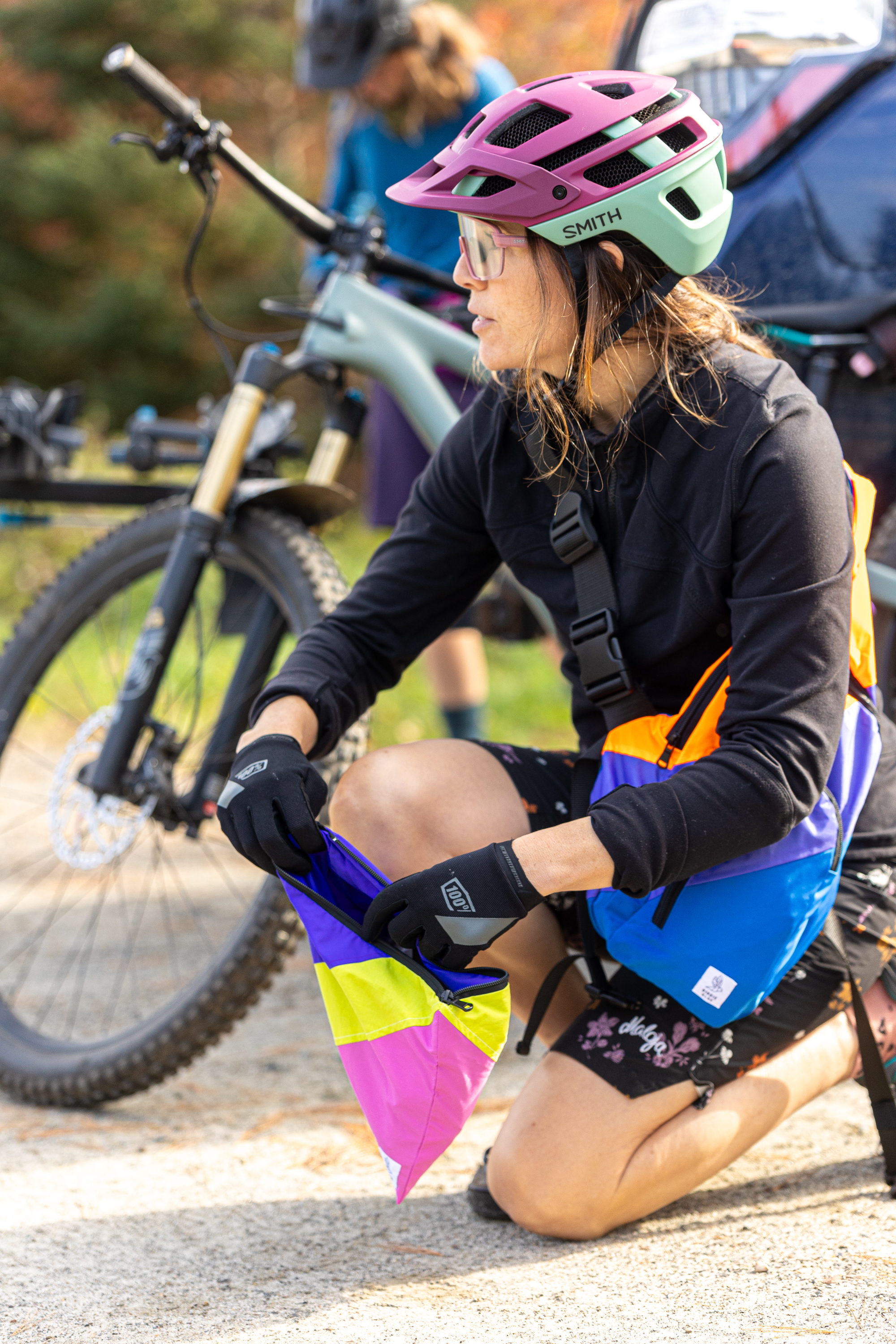
Barbee primarily focuses on outdoor and lifestyle brands. You can explore her work, here. You can find Barbee's design photography and FAQ via Spacial Harmony Photography and can be found here. Follow on IG.